

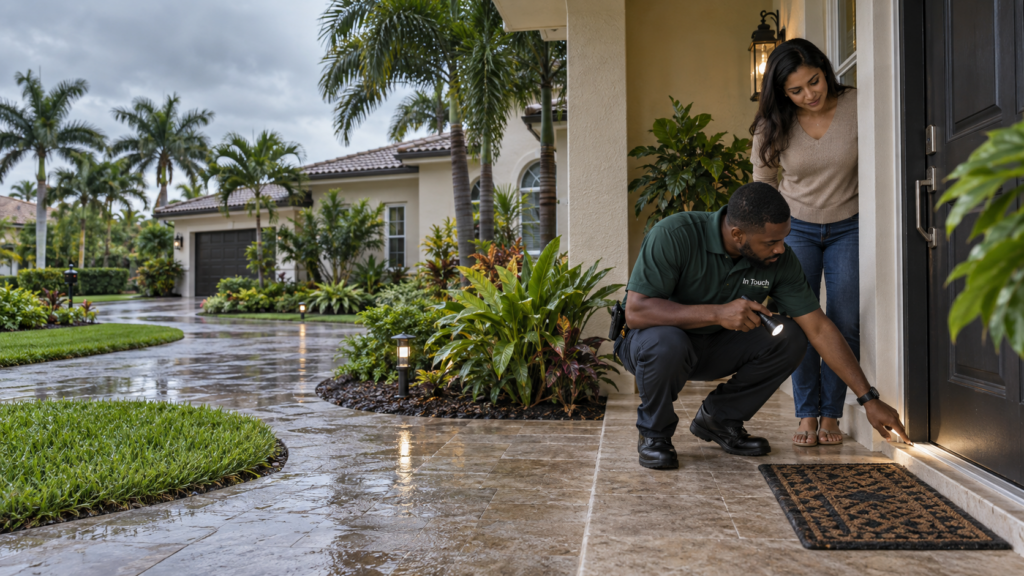
Heavy rain can change where pests shelter. When outdoor hiding places become soaked or flooded, some ants, cockroaches and rodents may find their way through gaps around doors, pipes and foundations. A little prevention now can help keep that activity from becoming an indoor problem.
Request Rainy-Season Protection
Already seeing pests after a downpour? Use the short form below to tell In Touch Pest Control what you are noticing. You can request help right here without leaving this article.
Why rainy weather can bring pests closer to home
Saturated soil and disturbed outdoor shelter can send pests looking for another place to stay. UF/IFAS notes that storm precipitation can drive cockroaches, spiders and rodents indoors. Flooded ant colonies can also relocate. Entry gaps, accessible food and damp hiding places can make a home easier to settle into.
Not every pest sighting means an infestation, and not every infestation starts with rain. Repeated sightings, droppings or ongoing activity deserve an inspection so treatment matches the pest and its source.
What about the strong El Niño?
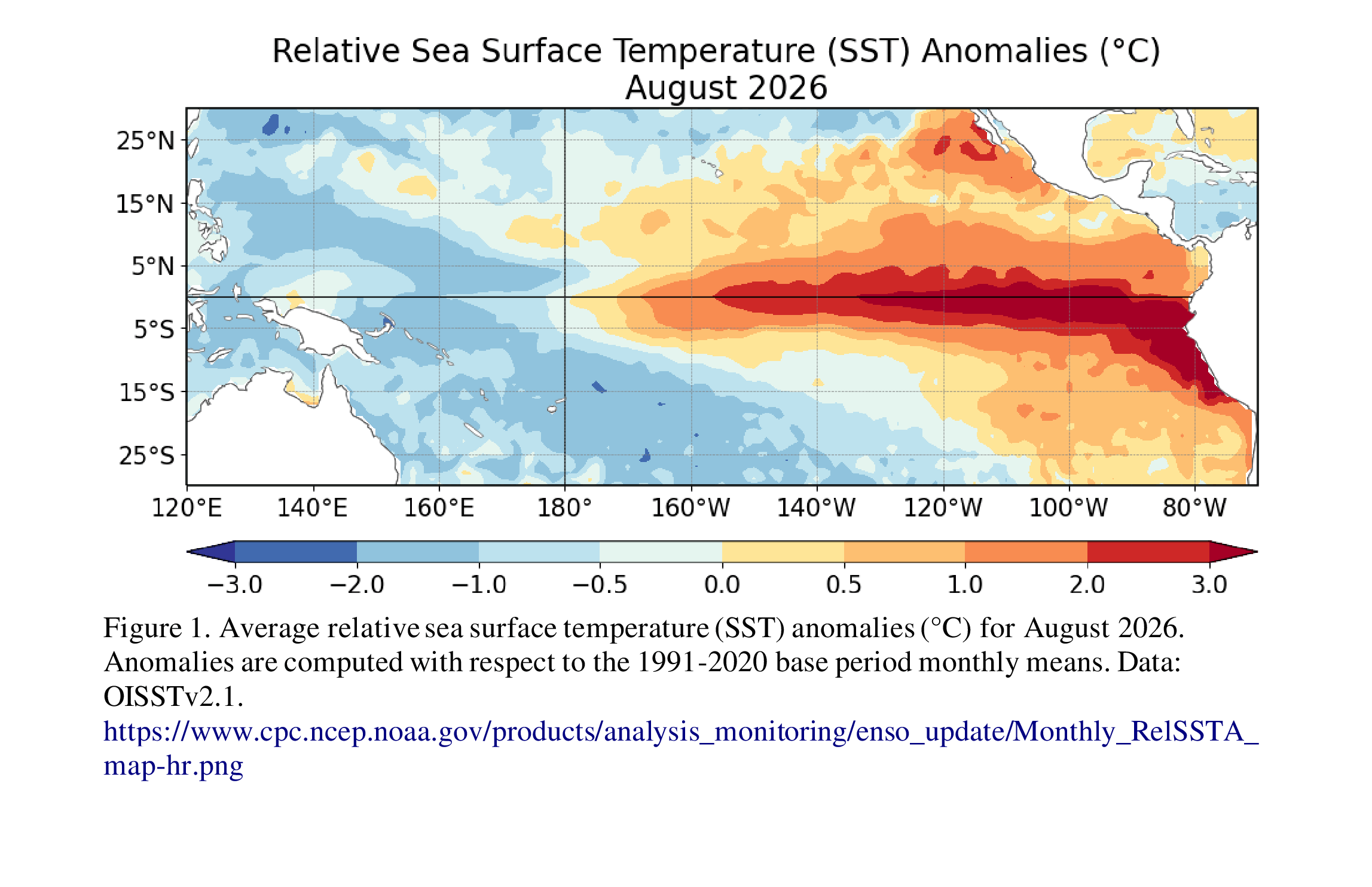
In its September 10, 2026 advisory, NOAA reported a strengthening El Niño and a greater than 90% chance of a very strong event during fall and winter 2026–27. That is a seasonal outlook, not a prediction of flooding at your home. The National Weather Service explains that El Niño’s South Florida rainfall influence is more pronounced in winter; its summer effects are more limited. We should not attribute every rainy-season downpour to El Niño.
The practical takeaway: prepare for wet weather based on your property’s drainage, entry points and pest activity, and follow local forecasts as conditions change.
A practical plan for extra protection
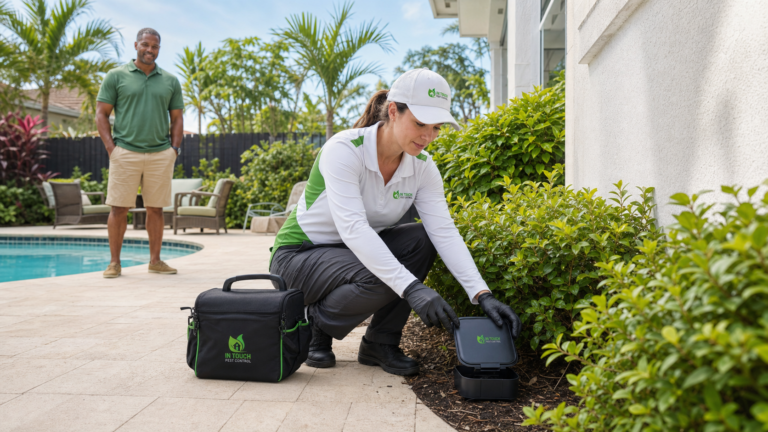
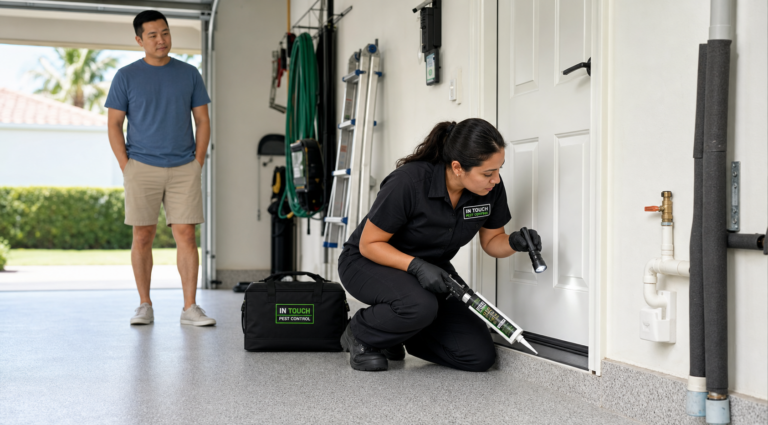
- Inspect the outside before the next wet spell. Check door sweeps, window screens, garage seals and openings around pipes. Ask about Entryway & Door Sweep Protection and Entry Point Sealing for vulnerable access points.
- Reduce moisture and shelter. Fix leaks, keep gutters and downspouts working, move damp cardboard off garage floors, and keep debris away from exterior walls. Moisture Zone Pest Prevention focuses on areas where moisture supports pest activity.
- Review the perimeter. Mulch, dense planting and cracks near the home can provide cover and routes indoors. Perimeter Pest Defense can help address activity around the building as part of an inspection-based plan.
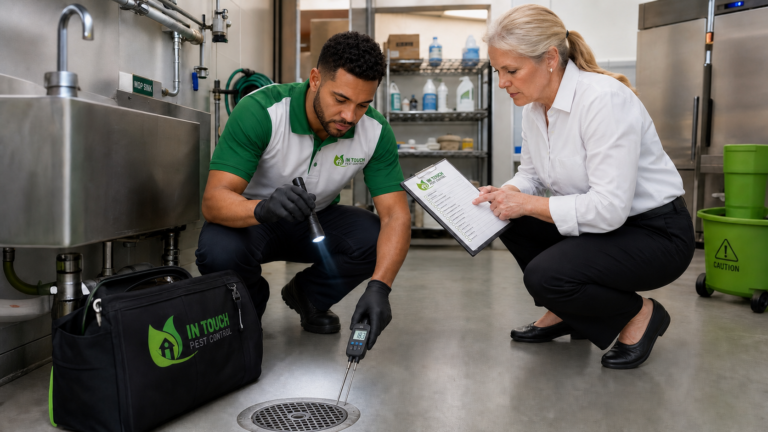
- Match the response to the pest. Follow trails and note where insects appear. Explore Ant Trail Control, Cockroach Control or Rodent Exclusion when those pests are the concern.
- Recheck after heavy rain, when it is safe. Look for new leaks, damaged screens and fresh pest activity. Record what you see and where, and request a follow-up assessment if activity continues.
Standing water needs its own attention
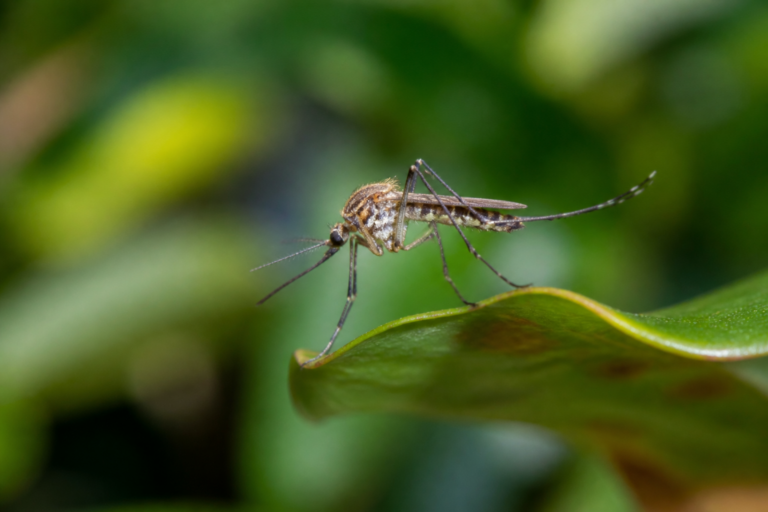
After rain, empty water that collects in plant saucers, buckets, toys and other containers when it is safe to do so. Mosquito prevention is different from stopping crawling pests at the door. If biting activity is affecting your outdoor space, read about mosquito control in your yard.
Do not enter floodwater to inspect for pests. Keep people and pets away from floating ant clusters. Never apply pesticides to standing water or storm drains unless the product label specifically permits that use.
Does every rainstorm mean you need another treatment?
No. The right response depends on the pest, the treatment used, where it was applied and current conditions. Extra protection can mean sealing a gap, correcting moisture, adding monitoring or making a targeted treatment—not automatically applying more pesticide after every shower. In Touch can review your property and recommend the next step, with any proposed service and price explained before you schedule.
Related Pest Control Services
Explore protection for the entry points, damp areas and pests discussed in this guide. Choose a service below to learn more, or request rainy-season protection right here.

Request Rainy-Season Protection
Tell us where you are seeing pests and whether you have noticed leaks, standing water or recent flooding. Our team can follow up to discuss an inspection and suitable service options.
Submitting this form requests a follow-up; it does not confirm an appointment.
Weather and pest guidance
Weather context checked September 25, 2026. Sources: NOAA ENSO advisory; National Weather Service South Florida climate guidance; UF/IFAS storm-season pest guidance; EPA integrated pest management principles.