Fire ants are one of the most aggressive and invasive ant species in the United States. Known for their painful stings and fast-spreading mounds, these ants pose serious risks to people, pets, and lawns.
A single colony can contain hundreds of thousands of ants and spread rapidly through yards, electrical boxes, and even walls. Early detection and professional treatment are key to avoiding bites and repeated infestations.
What Fire Ants Look Like
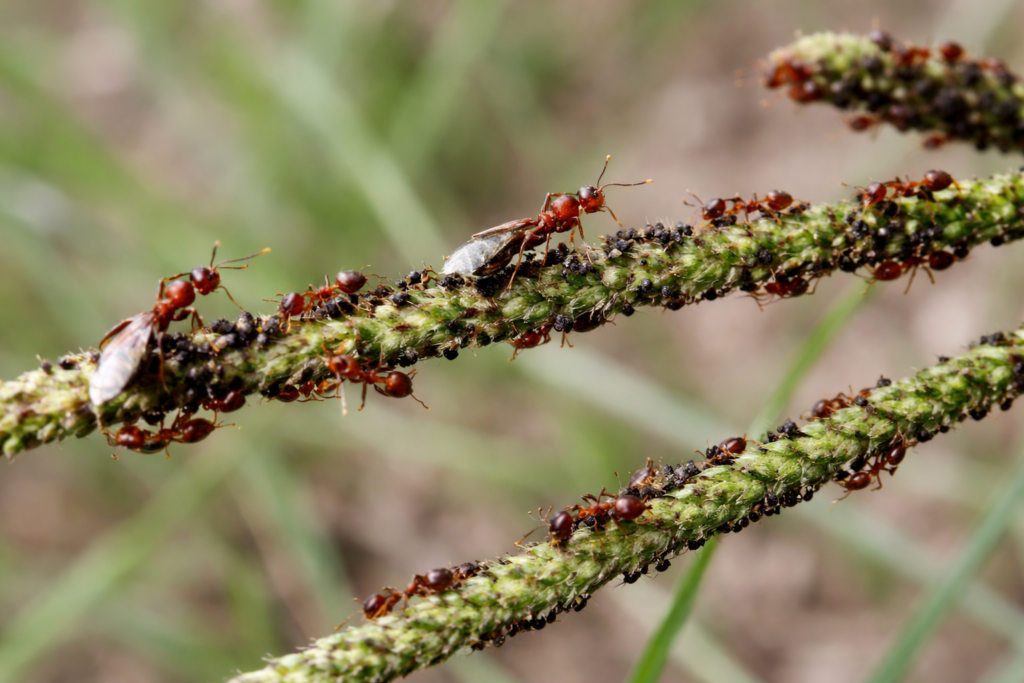
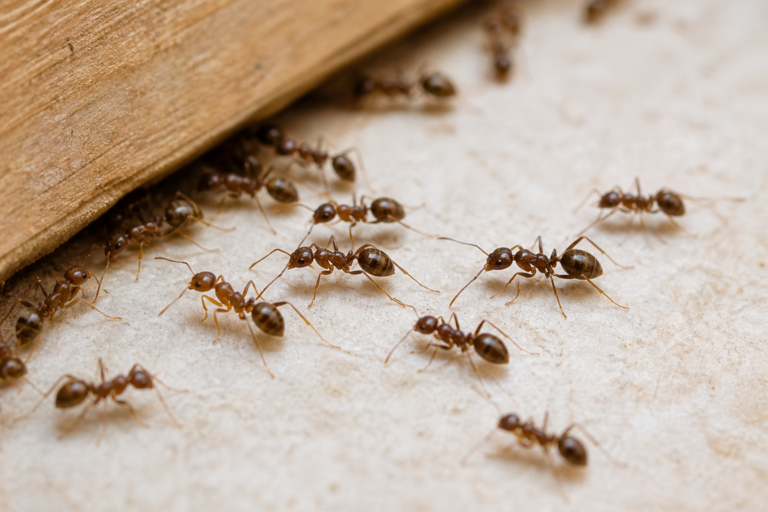
Fire ants are typically reddish-brown to dark copper in color, measuring 2 to 6 mm long. Colonies include multiple sizes (minor and major workers).
Distinct traits include:
Shiny red bodies with darker abdomens
Aggressive behavior when disturbed
Dome-shaped soil mounds with no visible entry hole on top
Fire ants thrive in warm, sunny, open areas like lawns, fields, playgrounds, and road edges. They build large soil mounds up to 18 inches tall, often near sidewalks or foundations.
Colonies can move quickly after heavy rain or lawn disturbances, establishing new nests nearby.
They’re omnivorous — feeding on insects, seeds, grease, and even small animals.
Dangers of Fire Ants
Painful, burning stings: Each sting injects venom causing white pustules or allergic reactions.
Swarming attacks: Hundreds can sting simultaneously when nests are disturbed.
Hazard to pets and livestock: Fire ants attack animals resting on infested ground.
Electrical damage: Colonies can short out AC units, meters, and electrical panels.
Landscape damage: Large mounds kill grass and make lawn maintenance difficult.
⚠️ People allergic to fire ant venom should seek medical attention immediately after a sting.
Signs of a Fire Ant Infestation
Dome-shaped mounds of soft soil with no central hole.
Red or dark copper ants visible after rain or lawn mowing.
Sudden appearance of multiple mounds across your property.
Aggressive swarming when ground is disturbed.
Electrical malfunctions caused by ants in outdoor boxes.
Fire Ant FAQs
Why are fire ants so aggressive?
Fire ants defend their colony fiercely; vibrations or movement near their mound trigger mass attacks.
What do fire ant stings look like?
They cause painful, burning welts that develop into white blisters within hours.
Can fire ants kill grass or damage lawns?
Yes. Their mounds suffocate grass roots and alter soil structure, leaving brown patches.
Will pouring boiling water or vinegar kill fire ants?
It kills some ants but rarely reaches the queen; colonies often move and rebuild elsewhere.
How long does professional treatment last?
Residual bait and barrier treatments usually protect your property for 3–6 months, depending on weather.
Get Your Free Ant Control Quote
Fire ants deliver painful stings and form large outdoor mounds that threaten pets and kids. We provide fast, safe mound removal and long-term prevention.
Seeing ant activity around your home or business? Our licensed pest control specialists locate nests, eliminate entire colonies, and keep them from coming back. We use safe, targeted treatments that work for any type of ant — indoors or outdoors.
Don’t wait until the infestation spreads — request your free quote today and protect your property year-round.
What Attracts Fire Ants
Fire ants are drawn to:
Warm, open, sunny areas with little shade.
Moist soil following rain or irrigation.
Food sources like pet food, insects, and organic debris.
Electrical currents (they’re known to nest near junction boxes).
How to Get Rid of Fire Ants
What You Can Do First:
Avoid disturbing mounds — it triggers colony splitting.
Apply fire ant bait around (not on) the mound in dry conditions.
Keep lawns trimmed and remove organic debris.
Seal entry points if they appear near foundations or wiring.
Professional Treatment:
Fire ants often relocate when threatened. Our fire ant control specialists use targeted, non-repellent insecticides and broadcast baiting systems that eliminate queens and prevent new colonies.
We provide year-round prevention plans to protect lawns and electrical systems.
Maintain short, dry lawns and fix drainage issues.
Don’t overwater; fire ants thrive in moist soil.
Store pet food indoors.
Keep outdoor electrical boxes sealed.
Schedule seasonal yard inspections for early mound detection.
When to Call a Professional
If you notice multiple mounds or get stung while mowing, call for professional help immediately. Fire ant colonies can double in size every few weeks under ideal conditions.
Our licensed technicians eliminate colonies at the source and prevent re-establishment with long-term yard protection programs.
Trustindex verifies that the original source of the review is Google.
Great service for the price tbh
Alexzay Rodriguez
2025-06-02
Trustindex verifies that the original source of the review is Google.
Goat services and didn’t have a problem ever sense.
Mawite
2025-06-02
Trustindex verifies that the original source of the review is Google.
Best service hands down!! As a first time customer, all I know is this they definitely got the job done and will be recommending them to everyone
shay starz
2025-04-23
Trustindex verifies that the original source of the review is Google.
I been having a bugs everywhere and been terrified and they help me so much getting the bugs away
Jayden Trashbag
2025-04-23
Trustindex verifies that the original source of the review is Google.
Did an amazing job helping me with my ants .
Sade Bennett
2025-04-23
Trustindex verifies that the original source of the review is Google.
I was having problems with my roaches in my house and they did a good job getting rid of em
Tll god
2025-04-23
Trustindex verifies that the original source of the review is Google.
this man does really good he killed all the pests in my house 😮🫡
Suzanne Stewart
2025-04-07
Trustindex verifies that the original source of the review is Google.
Very accommodating for emergency service request. Also prompt in time for appointments. Great company!!
Verified by Trustindex
Trustindex verified badge is the Universal Symbol of Trust. Only the greatest companies can get the verified badge who has a review score above 4.5, based on customer reviews over the past 12 months. Read more
Ant Treatment & Prevention Guides
Explore treatment pages, early warning signs, and prevention guides related to ants. This section updates automatically as new ant-specific treatment pages are added and tagged to the Ants relationship.